
R
A
N
K
I
F
Y
Dynamic Website Designing: The Future of Smart Web Development
27
Mar
Dynamic Website Designing: The Future of Smart Web Development
In today’s digital era, businesses need more than just a static presence—they need a dynamic, scalable, and interactive website. Dynamic website designing allows content to change in real-time based on user behavior, preferences, and interactions, making it ideal for modern businesses, blogs, and eCommerce platforms.
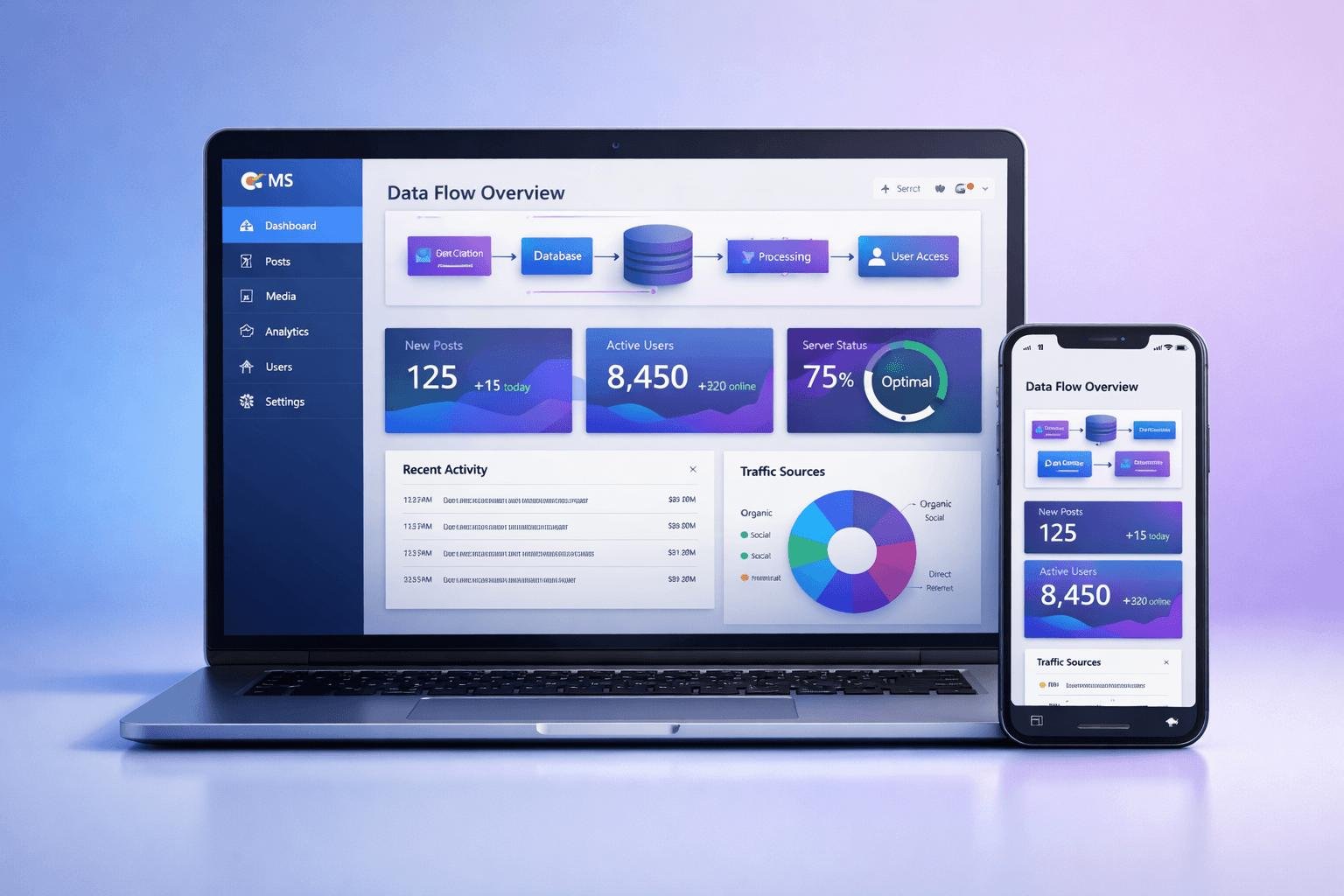
A dynamic website is powered by server-side scripting and databases, enabling personalized experiences and seamless content updates.
🔍 What is Dynamic Website Designing?
Dynamic website designing refers to creating websites where content is generated on the server in real-time using technologies like PHP, Node.js, or frameworks like React.
Unlike static websites, dynamic websites:
- Fetch data from databases
- Update content automatically
- Provide user-specific experiences
- Are highly scalable and interactive
These websites are widely used in:
- Blogs
- eCommerce platforms
- Membership systems
- Web applications
💡 Key Features of Dynamic Websites
1. Real-Time Content Updates
Content can be updated without changing the entire codebase using CMS platforms.
2. Database Integration
Dynamic sites use databases like MySQL or MongoDB to store and fetch data.
3. User Personalization
Content changes based on user behavior, location, or preferences.
4. Scalability
Easily handle large traffic and content expansion.
5. Interactive UI/UX
Dynamic elements like forms, dashboards, and filters improve engagement.
⚙️ Technologies Used in Dynamic Website Designing
- Frontend: HTML, CSS, JavaScript, React
- Backend: PHP, Node.js, Python
- Database: MySQL, MongoDB
- CMS: WordPress, Headless CMS
Dynamic pages are generated using server-side logic and databases, making them more powerful than static sites.
📈 Benefits of Dynamic Websites
✔ Easy content management
✔ SEO-friendly with proper optimization
✔ Personalized user experience
✔ Better engagement & conversions
✔ Ideal for growing businesses
Dynamic websites can rank well in search engines if implemented correctly with proper SEO techniques.
🔥 SEO Tips for Dynamic Websites
1. Use Clean URLs
Avoid long dynamic parameters—use SEO-friendly slugs.
2. Optimize Meta Tags
Dynamic meta tags can automatically generate titles & descriptions for each page.
3. Implement Schema Markup
Helps search engines understand your content better and improve rankings.
4. Enable Server-Side Rendering (SSR)
Ensures content is visible to search engines.
5. Use XML Sitemap & Internal Linking
Helps in better crawling and indexing.
🏁 Conclusion
Dynamic website designing is the backbone of modern digital businesses. Whether you're building an eCommerce platform, blog, or web app, dynamic websites offer flexibility, scalability, and performance.
If you want a future-ready website, investing in dynamic development is the smartest choice.