
R
A
N
K
I
F
Y
E-commerce Mobile Apps: The Future of Online Shopping & Business Growth
26
Mar
E-commerce Mobile Apps: The Future of Online Shopping & Business Growth
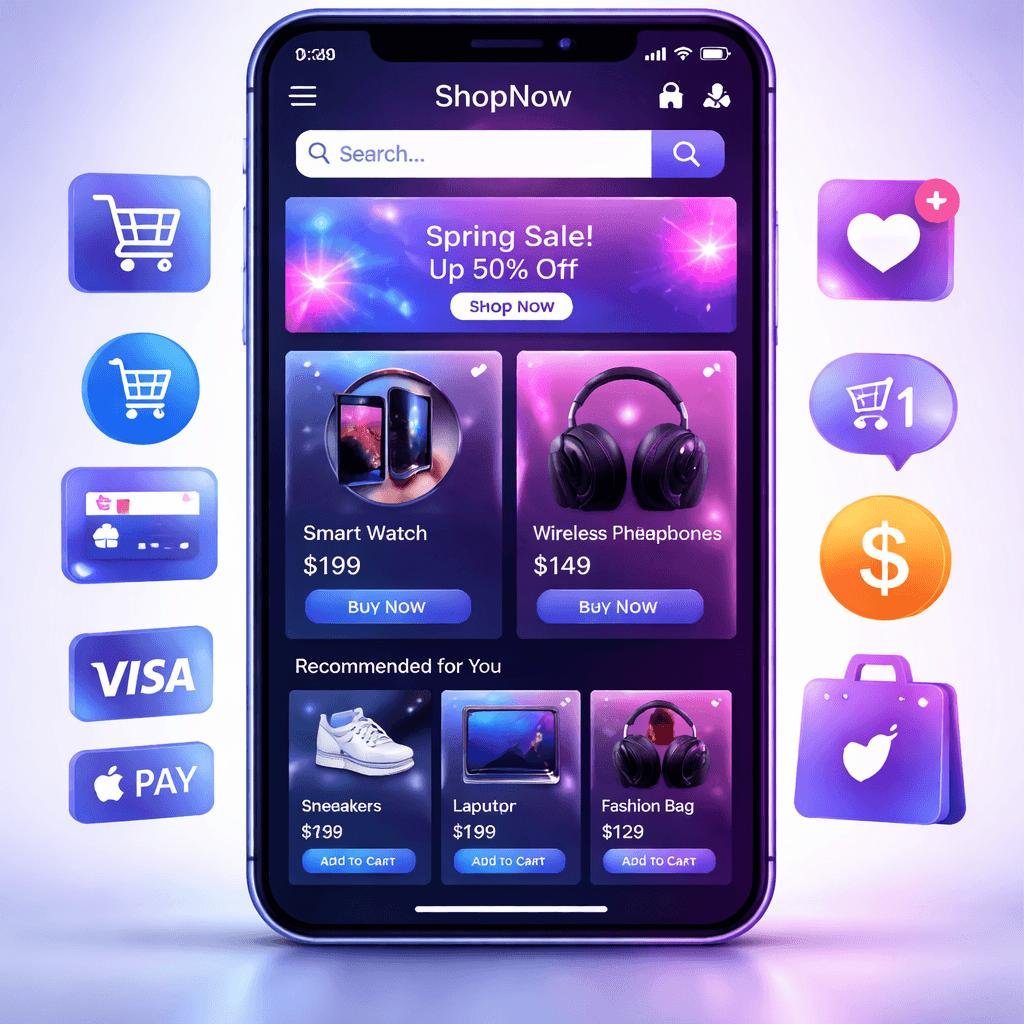
In today’s digital-first world, mobile commerce (mCommerce) is rapidly transforming how people shop online. With millions of users relying on smartphones, businesses are shifting from traditional websites to powerful e-commerce mobile apps.
An e-commerce mobile app is not just a trend—it’s a necessity for businesses that want to increase sales, improve customer engagement, and stay ahead of competitors.
📊 Why E-commerce Mobile Apps Matter in 2026
Mobile commerce dominates the online market, contributing a major share of global eCommerce sales. Studies show that mobile apps provide better user experience, faster performance, and higher conversion rates compared to websites.
🔥 Key Benefits of E-commerce Mobile App Development
1. 📈 Higher Conversion Rates
Mobile apps simplify the buying process with features like one-click checkout and saved user data, reducing cart abandonment and boosting sales.
2. ⚡ Faster Performance
Apps load faster than mobile websites because they store data locally, offering a smooth and seamless experience.
3. 🎯 Personalized User Experience
Apps can track user behavior and show personalized product recommendations, increasing engagement and retention.
4. 🔔 Direct Marketing Channel
Push notifications allow businesses to send real-time offers, discounts, and updates directly to users.
5. 🌍 24/7 Accessibility & Global Reach
Customers can shop anytime, anywhere, expanding your business reach beyond geographical limits.
6. 💡 Strong Brand Presence
Having an app installed on users’ devices keeps your brand visible and builds trust over time.
🧩 Must-Have Features in an E-commerce Mobile App
🛍️ User-Friendly Interface
- Clean UI/UX design
- Easy navigation
- Fast loading speed
🔍 Smart Search & Filters
- Advanced search with suggestions
- Category & price filters
🛒 Shopping Cart & Checkout
- One-click checkout
- Guest checkout option
- Multiple payment gateways
📦 Order Tracking
- Real-time delivery tracking
- Notifications for order status
🔐 Secure Payments
- UPI, cards, wallets integration
- Data encryption for security
❤️ Wishlist & Reviews
- Save favorite products
- Customer feedback system
🛠️ Technologies Used in E-commerce App Development
- Frontend: React Native, Flutter
- Backend: Node.js, Laravel, CodeIgniter
- Database: MySQL, Firebase
- Payments: Razorpay, Stripe, PayPal
- Cloud: AWS, Google Cloud
📱 Types of E-commerce Mobile Apps
- B2C Apps – Direct selling to customers
- B2B Apps – Business-to-business transactions
- Marketplace Apps – Multi-vendor platforms
- Subscription Apps – Recurring product delivery
🚀 Latest Trends in E-commerce Mobile Apps
- 🤖 AI-based product recommendations
- 🗣️ Voice search shopping
- 🧠 Chatbots & live support
- 📸 AR (Augmented Reality) product previews
- 💳 One-tap payments & digital wallets
🏁 Conclusion
E-commerce mobile apps are revolutionizing online shopping by providing speed, personalization, and convenience. Businesses that invest in mobile app development today will gain a competitive edge, increase customer loyalty, and drive long-term growth.
If you want to scale your online business, building an e-commerce mobile app is the smartest move in 2026.